
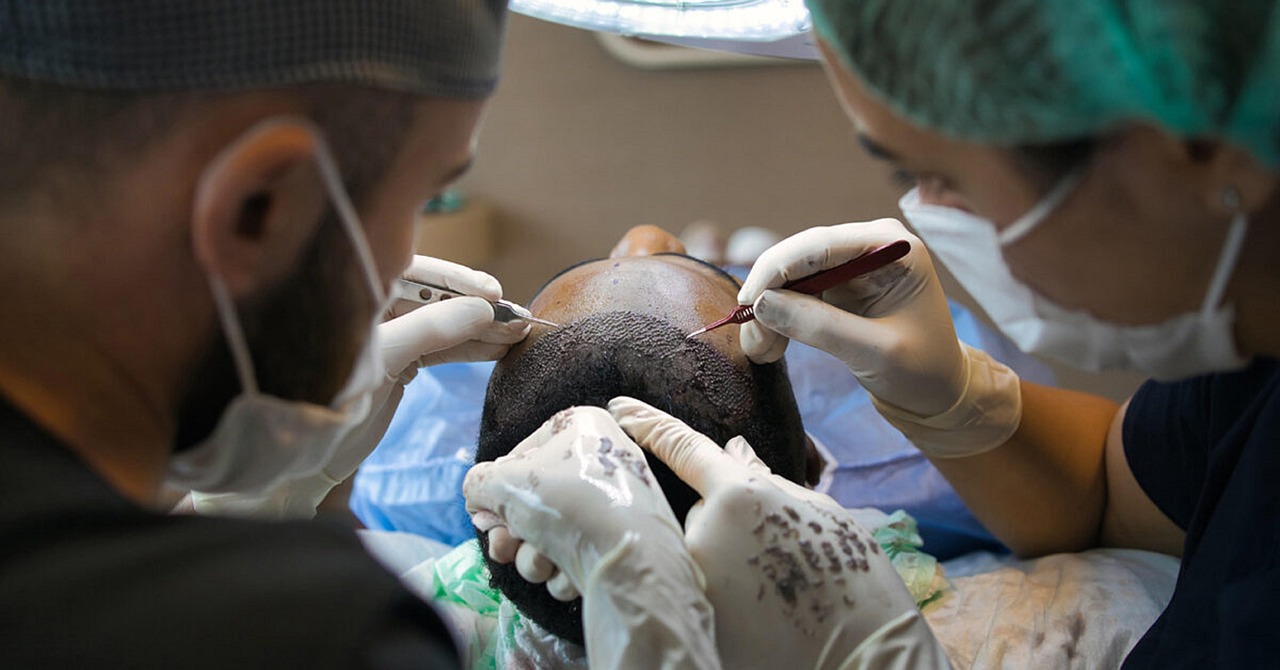
Two quotations arrive in your inbox. One says FUE; the other says DHI. It is tempting to compare the labels as though they describe two completely different operations. A more useful comparison begins by asking what happens at each stage.
Put the terms in the right places
FUE refers to obtaining follicular units from a donor area. DHI commonly describes an implantation approach using an implanter. The same proposed procedure may therefore involve both. The label on a package does not, by itself, explain the full sequence.
Ask the provider to describe harvesting, recipient-site creation and implantation separately. Then ask who is responsible for each surgical step. Write these answers beside one another when comparing plans.
Make a comparison sheet
Use the same headings for every provider: diagnosis, donor assessment, areas to be treated, extraction approach, implantation approach, clinician involvement, expected limitations and follow-up. Leave a blank space wherever an answer is missing. A blank is a question to resolve, not a detail to assume.
This exercise often reveals that apparently different offers have similar components, while similarly named packages differ in ways that matter to you. The practical scope of care deserves more attention than the wording of a headline.
Translate promises into questions
If a description says no shaving, ask exactly which areas retain their length. If it says high density, ask how that objective relates to donor supply and the area of coverage. If it says faster recovery, ask what that means for your work and grooming routine and what uncertainty remains.
A useful answer should relate to your proposed case. It should not simply repeat that a particular instrument is modern or advanced. The clinician’s explanation can help you understand whether the recommendation is appropriate.
Keep the outcome discussion realistic
No technique name can promise a particular appearance. Ask what may remain thin, how future changes could affect the design and what the review plan looks like. Discuss the donor region as well as the area you want to improve.
Leave with a written description
Before making a commitment, check that the treatment description matches the consultation. Confirm what is included, what could change following examination and whom you contact with clinical questions. You should not need to guess what the name of a package means.
For separate introductions, read our FUE guide and DHI guide. Use them to prepare your questions, not to choose a procedure without assessment.
This is general educational information, not individual medical advice. Discuss your circumstances with a qualified clinician. Follow the instructions of the provider responsible for your treatment.

