
Before-and-after photographs can help you understand a provider’s work, but they are not self-explanatory. A useful comparison needs context. The goal is to ask better questions about an example, not to predict your own result from someone else’s image.
Start with the time interval
Ask when each photograph was taken and how it relates to the procedure. An early image and a later review represent different stages. Make sure you are comparing a documented sequence rather than isolated photographs with no explanation.
Look for consistent presentation
Lighting, angle, camera distance and styling can change the impression of coverage. Check whether the images use comparable conditions and whether hair length or products differ. These observations help you understand the presentation without proving or disproving the result.
Ask to see the wider view
A close crop of the hairline may not show the central scalp, crown or donor region. Where relevant, ask for views that relate to the whole plan. The area that matters most to you may not be the focus of the example on display.
Find out what was actually done
Ask which areas were treated and whether the person had more than one procedure or other treatment. An image without that context does not explain the full journey. Different starting points make simple visual comparisons difficult.
Choose relevant questions, not a guaranteed target
Look for examples that help you discuss your own concerns. Ask the clinician how your donor characteristics, pattern of loss and priorities differ. An attractive case record is still an individual case, not a promise.
Respect the person’s information
Clinical images should be handled with appropriate consent and context. Do not assume that a person has agreed to having their images copied, reposted or used to identify them. Use the records supplied for the consultation responsibly.
Document your own progress consistently
If your treating provider asks for review photographs, follow its instructions. Use the specified angles, keep the conditions consistent where possible and send images only through the agreed route. When symptoms are concerning, a photograph may not replace an in-person assessment.
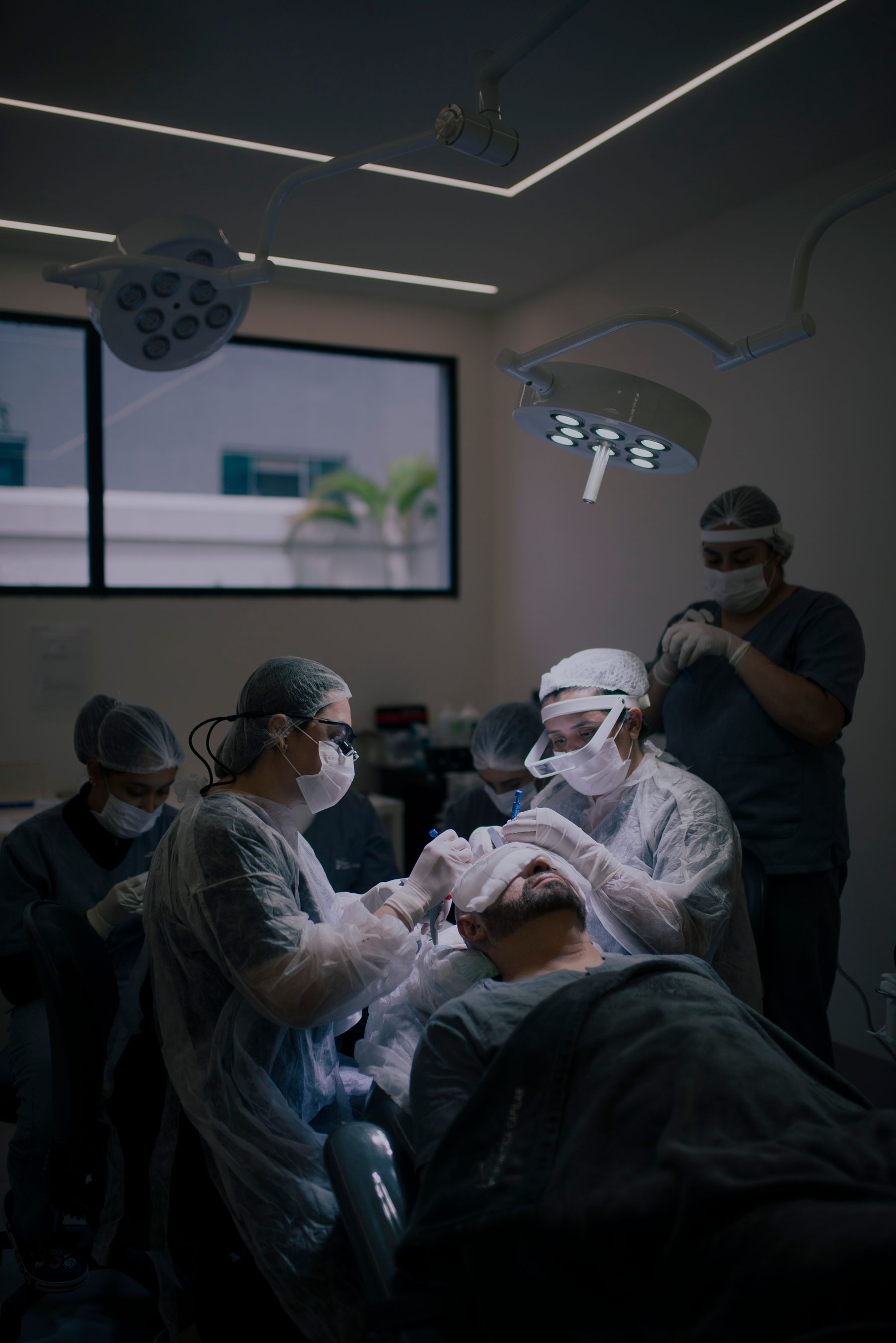
The images on HairTransplantCenter are editorial illustrations, not patient results. Learn more in our editorial approach, or use our consultation questions to plan a more detailed discussion with a provider.
This is general educational information, not individual medical advice. Discuss your circumstances with a qualified clinician. Follow the instructions of the provider responsible for your treatment.